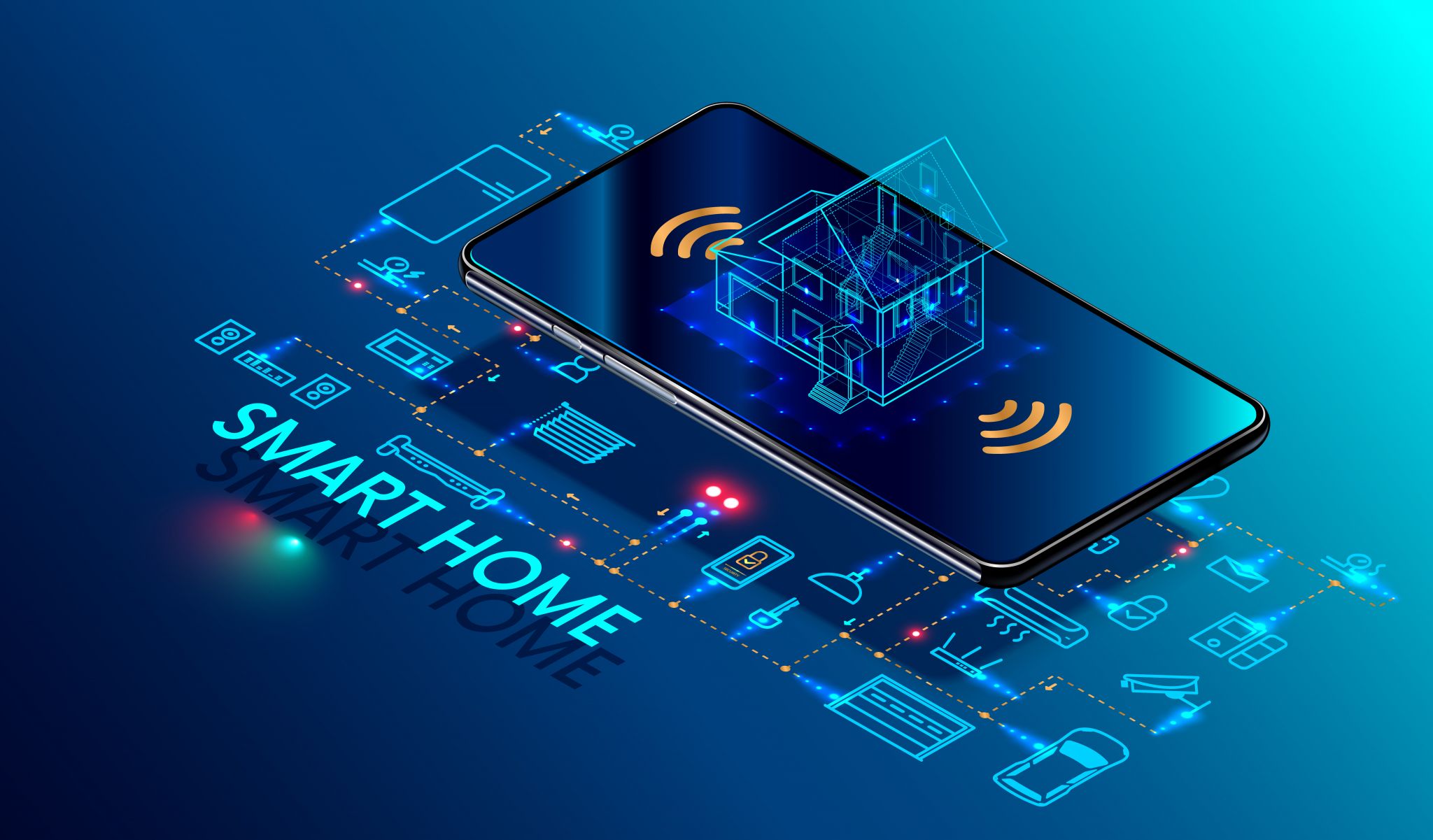
As the smart home landscape continues to expand, the challenge of integrating devices from different brands has remained a hurdle for many homeowners. However, the latest update to the Matter protocol, version 1.3, is poised to change that. This update, expected to be fully rolled out by 2026, will significantly enhance the interoperability of smart home devices, making it easier than ever to create a cohesive and functional smart home ecosystem.
Enhanced Interoperability and Simplified Setup
Matter 1.3 introduces several improvements that will make it easier to set up and manage a multi-brand smart home. One of the key changes is the implementation of a new discovery and configuration process. This means that when you add a new device to your home network, it will automatically discover and integrate with other Matter-compliant devices without the need for manual configuration. This is particularly useful for homeowners who have a mix of devices from different brands, such as a Philips Hue smart light bulb, a Samsung SmartThings hub, and an IKEA TrÅst smart lock.For instance, if you're setting up a new smart lock from IKEA, it will automatically communicate with your Philips Hue light bulbs and Samsung SmartThings hub to create a 联动体验。这意味着您可以通过一个简单的设置过程,让新设备自动发现并集成到现有的智能家居系统中,而无需繁琐的手动配置。
Broader Ecosystem Compatibility
One of the most significant benefits of Matter 1.3 is its broader compatibility with existing ecosystems. The protocol now supports integration with HomeKit, Alexa, and Google Home, making it easier to combine devices from different ecosystems into a single, unified smart home system. This is particularly useful for homeowners who already have a significant investment in one ecosystem but want to expand their smart home with devices from other brands.For example, if you have a large collection of HomeKit devices and want to add a new smart thermostat from Nest, Matter 1.3 will enable integration. You can control your Nest thermostat using your HomeKit-enabled Apple Home app, or you can use the Alexa app to voice-activate the thermostat. This interoperability ensures that your smart home remains a cohesive and functional system, regardless of the brands involved.
Enhanced Security and Privacy
Another important aspect of Matter 1.3 is its focus on security and privacy. The protocol includes enhanced security features that protect your smart home from unauthorized access and data breaches. With Matter 1.3, you can be confident that your smart home devices are securely connected and that your data is protected.For instance, the new security features in Matter 1.3 include stronger encryption protocols and more authentication methods. This means that even if a device is compromised, the rest of your smart home system remains secure. Additionally, the protocol includes features that allow you to control who can access your smart home devices and what they can do, giving you greater control over your privacy.

Conclusion
The release of Matter 1.3 is a significant step forward in the evolution of the smart home industry. It promises to make it easier to create a cohesive and functional smart home ecosystem, regardless of the brands involved. Whether you're a homeowner with a mix of devices from different brands or someone who wants to expand their existing smart home system, Matter 1.3 is a welcome update that will enhance your overall smart home experience.As Matter 1.3 becomes more widely adopted, the future of the smart home looks brighter and more connected. So, if you're in the market for new smart home devices, keep an eye out for Matter 1.3 compatibility to ensure that your devices work ly together.
Buying Notes for Matter 1.3 Compatibility
When purchasing new smart home devices, it's crucial to look for Matter 1.3 compatibility. This ensures that your devices will work ly with existing and future devices from other brands. However, keep in mind that not all devices will be Matter 1.3 compatible immediately. Manufacturers may take some time to update their products, so it’s a good idea to check the latest product specifications before making a purchase.
Additionally, ensure that your home network supports Matter 1.3. This includes your router and any other network infrastructure you use. Some older routers may not support the latest protocol, which could limit the functionality of your smart home devices. Upgrading your router or network equipment may be necessary to fully leverage Matter 1.3.
Lastly, consider the long-term compatibility of your smart home system. While Matter 1.3 is a significant step forward, it’s essential to choose devices that are likely to remain compatible with future updates and standards. This will help ensure that your smart home remains a cohesive and functional system for years to come.
Trade-offs with Matter 1.3
While Matter 1.3 offers numerous benefits, it's important to be aware of some potential trade-offs. For instance, the enhanced security features may come at the cost of slightly increased power consumption, which could be a concern for battery-powered devices. Additionally, the automated discovery and configuration process may require more network infrastructure to function optimally, which could be a consideration for users with older or less powerful home networks.
Another potential trade-off is the initial cost. Matter 1.3 compatibility may be reflected in higher pricing for certain devices, especially those that require more advanced features or enhanced security measures. However, this investment can lead to long-term savings by ensuring better interoperability and a more cohesive smart home experience.
Conclusion
As Matter 1.3 continues to roll out, it will undoubtedly transform the smart home landscape. Homeowners and manufacturers alike should take advantage of this new standard to create more and secure smart home ecosystems. By staying informed about Matter 1.3 compatibility and considering the trade-offs, you can make the most of this exciting update.




Discussion
Sign in to join the discussion. Vote, reply, and follow industry conversations.
Loading comments…