selecting a local hub for reliable routines
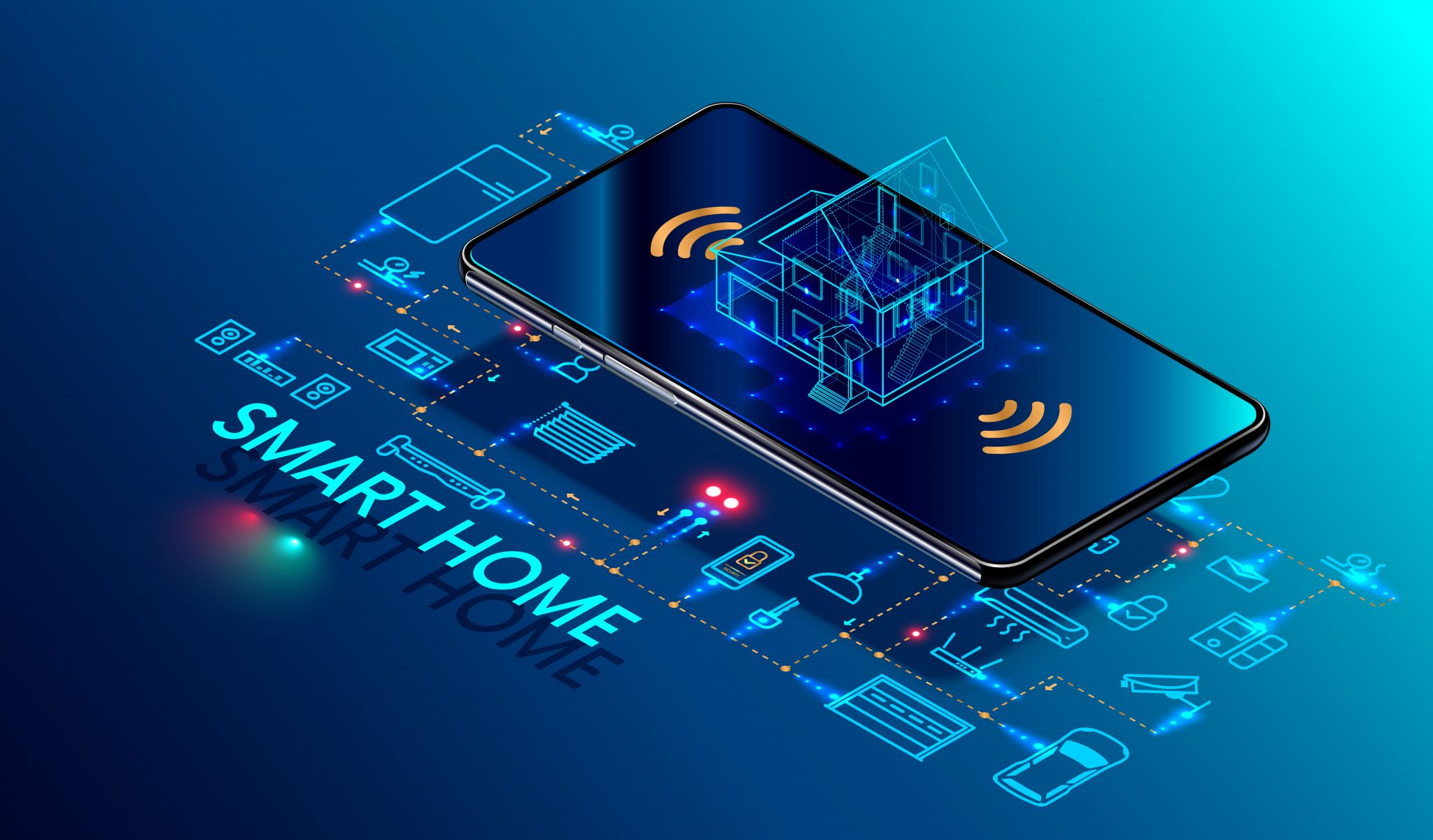
homeowners investing five hundred dollars or more in connected devices often face frustration when internet service drops yet lights should still turn on at sunset or locks engage at bedtime. a local hub processes these commands on the network itself without needing external servers. the hubitat elevation c eight costs around one hundred fifty dollars and supports zigbee and zwave devices directly on the local network. it runs routines like turning on hallway lights when a motion sensor detects activity even if the modem is offline for hours. another option is the home assistant green box priced near one hundred thirty dollars which connects via ethernet and handles hundreds of devices through local integrations. users pair it with a zwave stick to control outlets and thermostats without any cloud involvement. both options avoid reliance on remote servers so a power outage paired with internet loss does not halt basic automation sequences.
installers recommend testing the hub during a planned internet disconnect by unplugging the router and confirming that scheduled actions still execute. this setup suits families who want consistent performance from their investment in sensors and switches. the hubitat model includes built in rules engine that triggers based on time or device state alone. home assistant offers similar flexibility through its automation editor where conditions reference only local entities. either choice keeps the system responsive in rural areas with spotty broadband or during storms that knock out connectivity for days.
ecosystem fit with matter homekit alexa and google home
matter certified devices improve local operation because the standard allows direct communication between products from different brands on the same network. an apple homepod mini at one hundred dollars acts as a thread border router and runs homekit routines entirely on the local device. users can set a routine that closes smart blinds when indoor temperature rises above a threshold using only the homepod and compatible matter blinds from nanoleaf or eve without sending data outside the house. google nest hub second generation around one hundred fifty dollars supports local control for some routines through its home app but works best when paired with a separate local hub for full offline capability. alexa users can enable local voice processing on an echo dot fourth generation priced at fifty dollars yet complex routines still benefit from a dedicated hub like hubitat to avoid cloud checks during outages.
matter bridges expand options by letting older zigbee lights appear as matter devices that respond locally. for example a philips hue bridge at fifty dollars combined with matter compatible bulbs allows homekit or google home to issue commands that stay within the local network. this approach protects the value of existing bulbs and sensors when adding new controllers. buyers should verify that chosen devices list local control as a feature rather than assuming every connected product will function without internet. homekit stands out for strict local processing while alexa and google home often default to cloud verification unless a local hub intervenes.

practical install and daily use scenarios
a typical three bedroom home setup starts with a hubitat elevation c eight mounted near the main router and connected via ethernet for stable local networking. pair it with five zwave light switches from ge at twenty five dollars each and two motion sensors from aeotec at thirty dollars apiece. create a routine that activates porch lights at dusk based on the hubs internal clock and turns them off at midnight. during an internet outage lasting twelve hours the lights still follow the schedule because the hub tracks time and device status independently. add a schlage encode lock at two hundred fifty dollars which accepts zwave commands from the hub so the door locks automatically when the last motion sensor reports no activity for thirty minutes even without cloud confirmation.
another scenario involves a family with young children who rely on timed routines for safety. install a home assistant green unit in the utility room along with matter over thread sensors from eve at forty dollars each for doors and windows. set an automation that turns on night lights in the hallway when any bedroom door opens after ten pm. the entire sequence runs on the local thread network so a fiber cut does not leave kids walking in darkness. integrate a nest thermostat through a local bridge if needed though many routines avoid it to keep processing inside the home assistant instance. total cost for this configuration stays under eight hundred dollars while delivering dependable performance during extended outages common in suburban areas.
review the hub dashboard weekly to confirm all devices report online status and that rules execute as expected. replace batteries in sensors on a six month schedule to prevent gaps in coverage. this local first approach maximizes the return on connected gear by ensuring core functions remain available regardless of external network conditions. homeowners gain peace of mind knowing their investment in switches sensors and locks continues to deliver value day after day.
trade offs between hub options
hubitat offers faster local processing but limits custom scripting compared to home assistant which requires more initial setup time for advanced users. zwave devices provide better range through mesh networking yet cost more per unit than zigbee alternatives that may suffer from interference in dense environments. buyers should measure signal strength in each room before final placement to avoid unreliable switches during outages.
when selecting matter compatible products verify the firmware version supports offline mode as some early releases default to cloud fallback. ethernet connected hubs reduce wireless congestion but demand proximity to the router unlike battery powered options that offer placement flexibility at the expense of periodic charging. test all routines after installation by simulating network failure to confirm no hidden dependencies exist. range extenders help but introduce latency in large homes where multiple hops occur between devices and the hub.





Discussion
Sign in to join the discussion. Vote, reply, and follow industry conversations.
Loading comments…