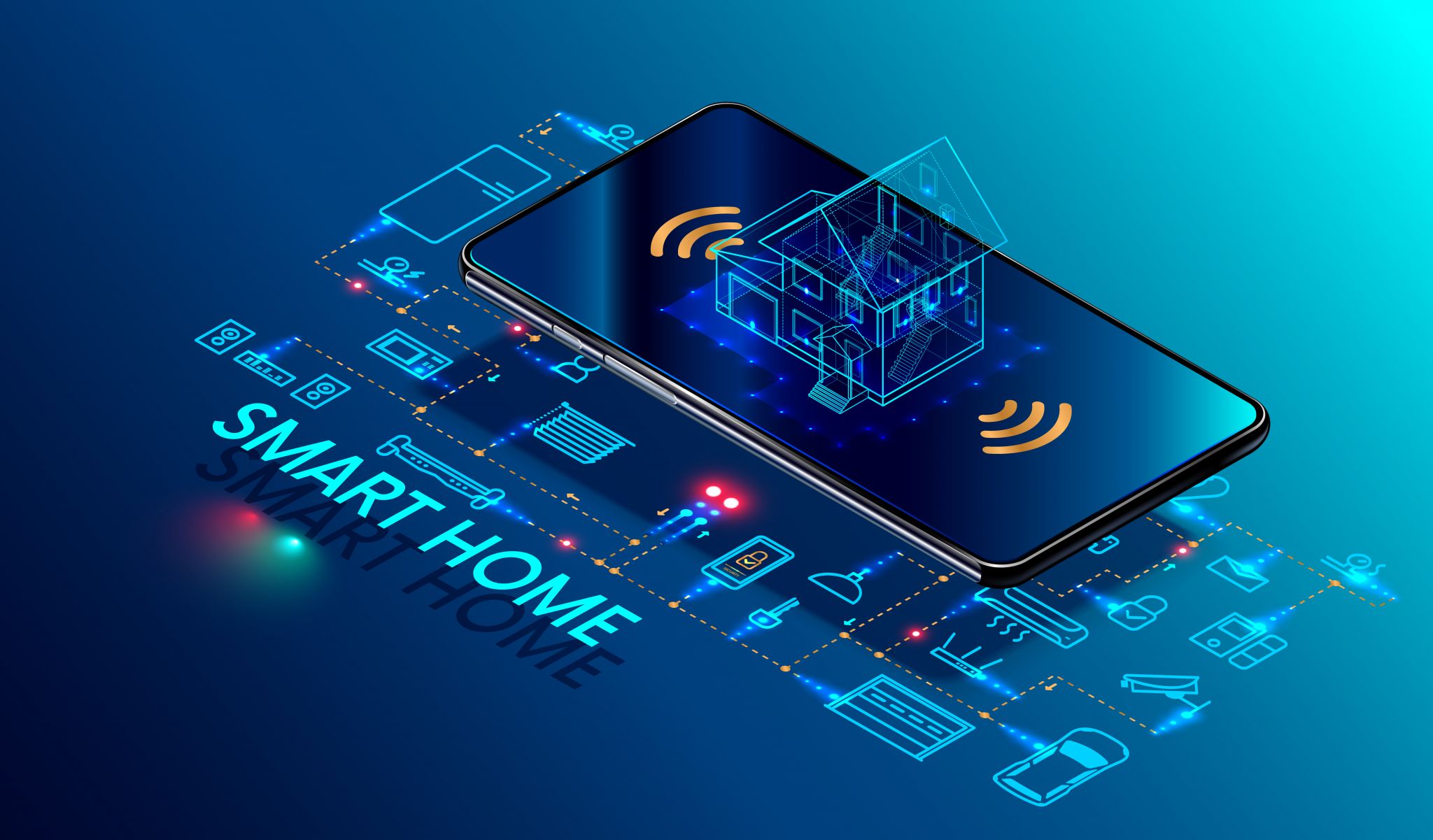
Imagine returning home from a long day, settling into a cozy reading nook, and having your lights automatically turn off as you read—only to turn back on when you move away. This scenario isn’t just a dream; it’s a reality with the advent of mmWave sensors. These advanced devices offer a more sophisticated approach to presence detection, ensuring a comfortable and secure environment for your reading sessions.
Understanding mmWave Technology
mmWave (millimeter-wave) sensors are a type of radar technology that operates at frequencies between 30 GHz and 300 GHz. Unlike traditional motion sensors that rely on infrared or ultrasonic technology, mmWave sensors detect the movement of objects based on the reflection of radio waves. This technology is highly accurate and can differentiate between a person, pets, and even small objects like books or furniture, ensuring that your lights stay off when you’re deep into a good book.
Top mmWave Sensor Options
When it comes to choosing an mmWave sensor for your smart home, there are several options available. Each brand offers unique features and integrations, making it easier to find the perfect fit for your needs.
1. Lutron Caseta Smart Motion Sensor
The Lutron Caseta Smart Motion Sensor is a popular choice among homeowners. It supports both Alexa and Google Home, allowing for easy integration with your existing smart home ecosystem. The sensor has a range of up to 10 feet and can be installed in various locations, including ceilings, walls, and even floors. With a price point of around $99, it’s a cost-effective solution that fits well within most budgets.

2. TP-Link Kasa Smart Motion Sensor
For those looking for a more affordable option, the TP-Link Kasa Smart Motion Sensor is a great choice. It supports both Alexa and Google Home and has a range of up to 15 feet. The sensor is easy to install and can be placed in various locations. At around $29, it’s a budget-friendly solution that still offers the advanced features of mmWave technology.
3. Philips Hue Motion Sensor
If you’re a fan of the Philips Hue ecosystem, the Philips Hue Motion Sensor is an excellent choice. It’s compatible with both Alexa and Google Home and has a range of up to 10 feet. The sensor can be easily integrated into your existing Philips Hue setup, allowing you to control lights and other devices ly. The price point is around $59, making it a mid-range option that offers excellent value.
Benefits and Considerations
One of the key benefits of mmWave sensors is their ability to detect presence without false triggers. Unlike traditional motion sensors, mmWave sensors can distinguish between a person and an object, ensuring that your lights stay off when you’re reading. This not only enhances the user experience but also helps to conserve energy and reduce utility bills.
Another advantage is the wide range of integration options. Many mmWave sensors support both Alexa and Google Home, making it easy to integrate with your existing smart home ecosystem. If you’re part of the Matter protocol, some mmWave sensors also support this emerging standard, offering even more flexibility.
However, it’s important to consider the placement of the sensors. While mmWave sensors are generally more accurate than traditional motion sensors, they may still require some trial and error to find the optimal location for your home. Additionally, while mmWave technology is highly accurate, it’s still a relatively new technology, and some users may experience occasional false positives or negatives.
Conclusion
mmWave sensors represent a significant step forward in smart home technology, offering a more sophisticated approach to presence detection. Whether you’re looking for a budget-friendly solution or a more advanced option, there are several high-quality mmWave sensors available to meet your needs. By choosing the right mmWave sensor, you can ensure that your lights stay off during quiet reading sessions, enhancing both your security and convenience.
As mmWave technology continues to evolve, we can expect to see even more advanced features and integrations. For now, these sensors are a game-changing addition to any smart home, providing a more personalized and efficient way to manage your home’s lighting and security.
Installation is generally straightforward, with most models offering easy-to-follow instructions and requiring minimal tools. However, it’s important to consider the height and angle at which you install the sensor to ensure optimal performance. Placing the sensor too high or too low can result in less accurate detection.
Another consideration is the battery life of the sensor. While some models use power adapters, others rely on batteries for power. The Philips Hue Motion Sensor, for instance, uses a battery that lasts up to a year, which is a significant advantage over models that require frequent recharging. The TP-Link Kasa Smart Motion Sensor, on the other hand, can be powered by a standard 120V outlet.
Lastly, it’s worth noting that while mmWave sensors are highly accurate, they may not be suitable for everyone. Some users may prefer the simplicity and lower cost of traditional motion sensors. However, for those who prioritize advanced features and a lights-off reading experience, mmWave sensors are definitely worth considering.
Future Prospects
The future of mmWave sensors looks promising, with ongoing advancements in technology and increased integration with smart home ecosystems. As more devices adopt the Matter protocol, users can expect even greater interoperability and control over their home’s lighting and security systems.
Additionally, developers are exploring new applications for mmWave technology, such as enhanced home automation, improved accessibility features, and more intuitive user interfaces. These developments could further enhance the user experience and make mmWave sensors an even more integral part of modern smart homes.





Discussion
Sign in to join the discussion. Vote, reply, and follow industry conversations.
Loading comments…